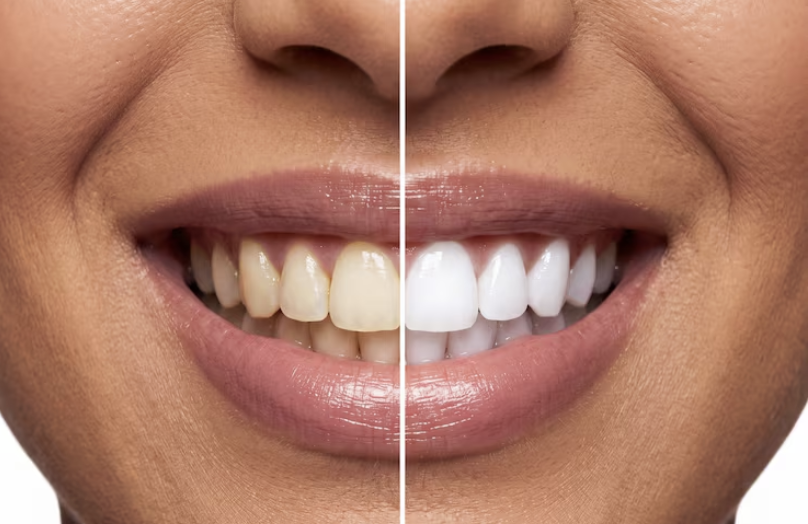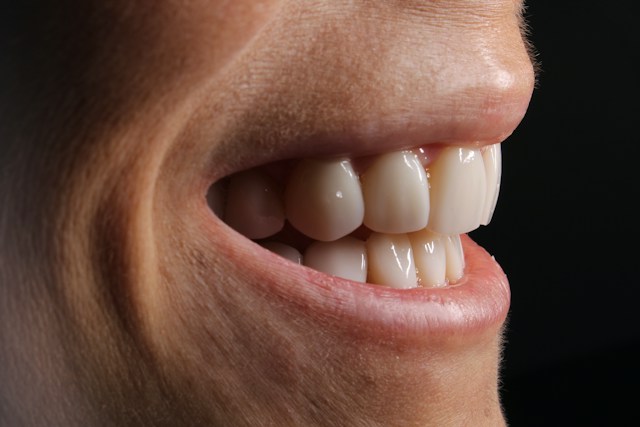
One of the most common questions we get at Ark Dental Global is: veneers vs crowns, what's the difference and which do I need? Both are premium restorative options, but they address very different situations. Choosing the wrong treatment can compromise your natural tooth structure or fail to give you the lasting result you want.
The Quick Answer
Veneers cover only the front surface of a tooth (0.3–0.7mm thick), best for cosmetic improvement of healthy teeth.
Crowns cover the entire tooth (1.5–2mm all around), used for structurally compromised teeth.
"The golden rule in modern aesthetic dentistry is simple: preserve as much natural tooth enamel as possible while ensuring long-term structural strength."
What Are Dental Veneers?
A veneer is an ultra-thin, custom-fabricated shell of ceramic bonded directly to the facial (front) surface of a tooth. Because they function like an aesthetic facade, veneers require minimal tooth preparation. They are designed to correct superficial imperfections without altering the core foundation of your natural tooth.
When We Recommend Veneers
- Healthy teeth with cosmetic concerns: discolouration, chips, minor misalignment, gaps.
- Aesthetic smile makeovers: You want a Hollywood smile transformation that looks natural and uniform.
- Enamel conservation: You want to preserve as much natural tooth as possible.
- Age considerations: You're under 50 and looking for long-term aesthetic improvement.
- Stubborn stains: Deep intrinsic stains or fluorosis that cannot be lifted with conventional teeth whitening.
What Are Dental Crowns?
A crown, commonly referred to as a "cap", encases the tooth completely in a 360-degree manner down to the gum margin. Rather than simply masking the front, a crown replaces the outer structure of the tooth to restore its original shape, size, and bite function. It holds weakened tooth segments together and shields the inner tooth layers from everyday chewing pressure.
When We Recommend Crowns
- Endodontic support: The tooth has had a root canal and needs reinforcement.
- Structural damage: Significant decay or fracture has compromised the tooth.
- Old restorations: Large old fillings need replacing where very little natural wall remains.
- Severe attrition: Tooth grinding has caused major wear and loss of vertical height.
- Heavy bite zones: Back teeth (molars and premolars) that endure strong chewing forces daily.
Materials We Use
Both veneers and crowns at Ark Dental Global use premium materials: IPS e.max (lithium disilicate ceramic by Ivoclar Vivadent, Liechtenstein) for the most natural translucency, and zirconia for maximum strength on back teeth.
- IPS e.max Lithium Disilicate: Known worldwide for mimicking the natural depth, opalescence, and light reflection of real enamel, ideal for front-facing veneers and aesthetic crowns.
- High-Strength Zirconia: Exceptionally durable, biocompatible, and fracture-resistant, perfect for posterior teeth that absorb intense masticatory force.
The Honest Reality
Many patients come asking for veneers but actually need crowns (or vice versa). Placing a veneer on a structurally weakened tooth leads to premature failure and cracks, while crowning a healthy tooth unnecessarily removes precious healthy enamel.
During your free AI 3D Smile Design consultation, we assess your specific situation and recommend honestly, not what's most profitable, but what genuinely lasts longest for your case.
Ready to Transform Your Smile?
Whether you need restorative care to save a compromised tooth or are looking for a complete cosmetic enhancement, our specialists are here to design a personalized treatment plan. Book your consultation with Ark Dental Global today and take the first step toward a healthy, radiant smile.