
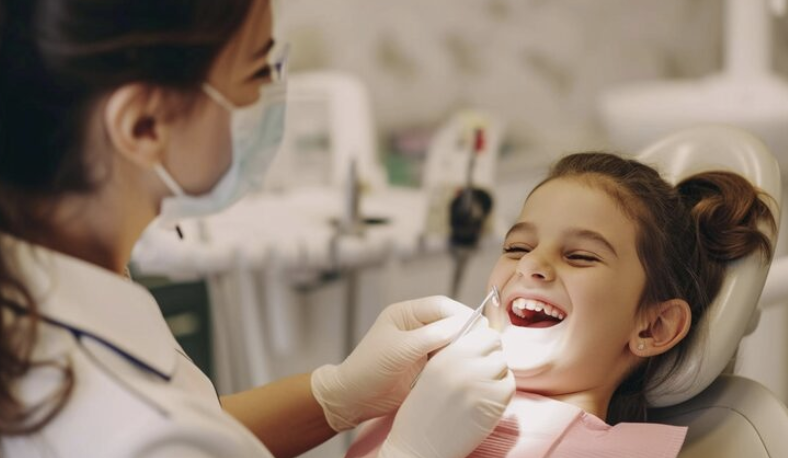
One of the most frequent misconceptions among new parents is that children only need to see a dentist once they start school or when an obvious cavity appears. But waiting that long can leave your child vulnerable to preventable decay and dental anxiety. So, when should your child first see a dentist?
The Quick Answer
According to the American Academy of Pediatric Dentistry (AAPD) and the American Dental Association (ADA), your child should visit the dentist when their first tooth erupts, or no later than their first birthdaywhichever comes first.
"First visit by the first birthday: proactive infant dental care prevents early childhood caries and establishes a positive dental home early in life."
Why Take a Baby to the Dentist So Early?
Many parents wonder why an infant with just one or two baby teeth needs a professional dental exam. The primary reason is prevention rather than invasive treatment:
- Catching Early Childhood Caries (ECC): Baby teeth have significantly thinner enamel than adult teeth, meaning cavities can form and progress rapidly. Early detection prevents tooth decay before it turns painful.
- Monitoring Jaw and Tooth Development: A pediatric dentist checks the growth of your child's jaw, evaluates teething patterns, and screens for developmental oral abnormalities or tongue/lip ties.
- Preventing Bottle and Nursing Decay: Prolonged nighttime bottle feeding or nursing to sleep can pool milk around the front teeth, accelerating enamel demineralization.
- Eliminating Dental Anxiety: When a child’s first dental appointment occurs in a calm, routine setting without pain or drilling, they develop trust and comfort with the dental clinic rather than fear.
What Happens During the First Visit?
A child’s first visit is short, gentle, and informative, designed to be stress-free for both parent and baby.
1. The Knee-to-Knee Examination
For infants and toddlers, dentists typically perform a knee-to-knee exam. You sit facing the dentist with your knees touching, resting your child's head comfortably in the dentist's lap while they face you. This keeps your baby secure while giving the clinician a clear, gentle view of their gums and teeth.
2. Teething and Enamel Check
The dentist evaluates newly erupted teeth for signs of enamel hypoplasia, plaque build-up, and gum health, gently wiping the teeth clean if necessary.
3. Preventive Counseling for Parents
Much of the first visit is dedicated to guiding parents through home care, including:
- Brushing technique: Using a soft infant toothbrush with a rice-grain-sized smear of fluoride toothpaste for children under three.
- Habit assessment: Evaluating pacifier use, finger sucking, and nighttime feeding routines.
- Diet and nutrition: Discussing hidden sugars in juices, pouches, and snacks that harm developing teeth.
The Honest Reality
It is common for infants to fuss or cry during their initial check-up, this is a completely normal reaction to someone examining their mouth and does not mean they are in pain. Pediatric dental teams are specifically trained to handle young children with patience and comfort.
Establishing a "dental home" early ensures you have an experienced specialist ready in case of unexpected infant dental emergencies, such as falls or knocked teeth when learning to walk.
Give Your Child a Healthy Head Start
Early dental care lays the groundwork for a lifetime of confident, cavity-free smiles. Schedule your child's first dental check-up with Ark Dental Global today to ensure their smile develops smoothly from tooth one.